
Signed
The IT market is built for sellers. Signed is the podcast for the buyers.
Latest episodeEP 230October 20, 20265 min
Playbook: Brownfield vs Greenfield
Your current systems already ruled out some vendors before the RFP. What you buy now decides if year three means a new license or a rebuild.
Watch Episode

What AI Is Doing in Your Company (That You Don't Know About)
Steve Wilson, Chief AI and Product Officer at Exabeam, built his own AI assistant the careful way and still watched it get phished. He and Max Clark cover who owns an AI agent, why it needs its own identity, and what to check before you approve one.

Playbook: Cybersecurity Truths
60 percent of ransomware victims had a leading EDR deployed. Max Clark breaks down why owning a security tool is not the same as being protected by one, and what actually separates the two.

Playbook: CSPs
What a Cloud Solution Provider actually does between you and Microsoft or Google, and what buying direct can cost you in support, access, and funding.

Did You Choose Cloud for the Wrong Reason?
Jeremy Pease, CEO of Aptum, joins Max Clark to break down how IT leaders should decide where applications actually run across public cloud, private cloud, colocation, and bare metal.

Playbook: Buy on Purpose
Max Clark breaks down why the consensus infrastructure choice gets treated as the safe one, and gives buyers the one question that turns a default into an actual decision.

How to Tell If Anyone Is Actually Managing Your Technology Spend
You approved your last technology invoice. That doesn't mean anyone checked whether it was right. Tommi Ellis of Intratem on the $4,000-a-month accounts nobody thought to check.

How to Tell If Your MDR Provider Will Actually Stop an Attack
You're paying an MDR provider to protect you. Most of them will alert you and wait for someone else to act. This conversation names the one question that tells you which one you actually bought. Know the answer before it's 2am and someone's waiting on you to decide.

Playbook: Cloud Cost Ownership
A VP spent weeks cutting an eight figure cloud bill. One line killed it: not my KPI. You can buy the platform. If the wrong person still owns the decision, the bill doesn't move, and you've paid for the privilege of watching it not move.

Playbook: Finding the Truth When Everyone Is Lying
Every vendor stretches the truth somewhere in your sales process, and most buyers respond to all of it the same way. This Playbook sorts vendor lies into three categories with a different action for each, then turns the mirror on what buyers do that is just as dishonest.

Are Your Security Tools Actually Protecting You?
Your security tool says you're protected. So does your BAA, your SOC 2 report, and the maturity score you handed your board. None of that means any of them are telling the truth. Check before your next audit, your next renewal, or your next incident does it for you.

How Do You Know Your Security Tools Are Actually Working?
Every security vendor's proof of value is built to find something scary in your environment. That's not proof their tool works, it's a sales tactic every vendor uses. Tony Lauro, Akamai's Senior Director of Security Technology and Strategy, admits it on the record, and by the end even he and Max agree on the uncomfortable part: neither side of the table always knows if a security purchase was the right one.

Playbook: Buying MDR Without Getting Burned
Your MDR contract might only cover watching and telling you, not stopping anything. Max evaluated a well known provider and found the exact gap hiding under the brand name. If your provider has never been tested against a real attack, you don't actually know what you bought. Find out before your next renewal, not after your next incident.

Are You Buying Teams Voice in the Wrong Order?
You know who sold you Teams Voice. Do you know who's actually running it? Find out before your next renewal, not after the outage.
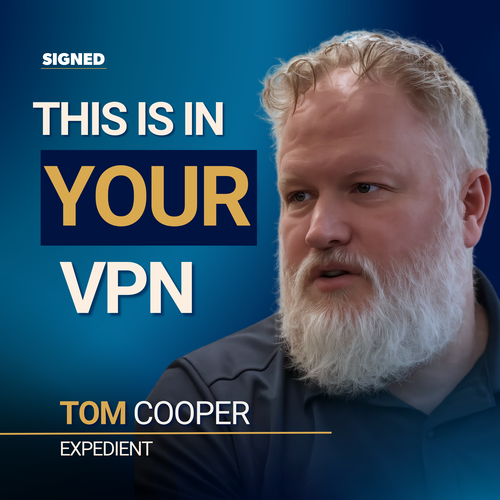
Did You Make a Security Exception for AI?
A black box coding tool is already behind your VPN, and nobody vetted it. Thomas Cooper on the one call that decides if you catch this now or pay later.

Playbook: The Hidden Bomb in your Contracts
Patent trolls filed more than half of all U.S. patent lawsuits in 2025. The clause that decides who pays is the one most buyers scroll past. Check it before you sign, not after a demand letter arrives.

Should You Re-Sign After Your Technology Vendor Gets Acquired?
Your vendor just got acquired. Most buyers find out what that actually means at renewal. By then it's too late to do anything about it.
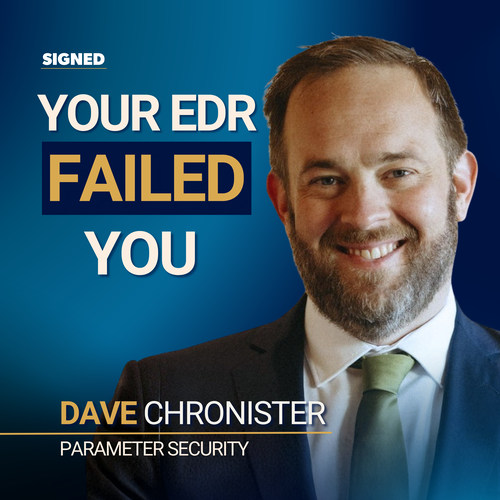
Who Made Sure Your Security Tools Actually Work?
Dave Chronister has walked into breached environments since 2007. EDR running, MDR installed, SOC 2 passed — none of it mattered. Here's why.

Playbook: AI Layoffs
Most AI layoff announcements are built the same way as a vendor pitch. Max Clark explains the pattern — and the one question that finds the real reason behind any explanation.

Did Your AI Agents Move Faster Than Your Security?
You bought the platform. You renewed the contract. And 80% of your breach risk is coming from the one thing the platform wasn't built to catch.

Playbook: MSPs
MSPs sell their book. The vendors they're authorized on. The platforms they're certified on. The products they have margin on. The infrastructure they're about to recommend for your business is shaped by all of that before you walk in the room.

You Bought the Stack. You're Using Half of It.
You're paying for 100% of your Microsoft stack. You're using 44% of it — and buying third-party tools to fill gaps you already own.

Nobody Owns Your Cloud Bill
Nobody owns your cloud bill. And if you signed an EDP without understanding it, you may not be able to spend less even if you want to.

You’re Scaling on Infrastructure You Don’t Control
You're making infrastructure decisions on a system you can't see. It's fast, stable, and invisible. That's the problem.

Playbook: Be Careful With Your SOC2 Controls
SOC 2 certification has become shorthand for security. It isn't.
You Don’t Need Another Sales Call. You Need an Answer.
30 minutes. No pitch. Just an honest conversation about where you are, what you need, and whether working together makes sense.
Thanks, . Pick a time.
Choose a 30-minute slot in the calendar. Your details are already filled in.
Calendar didn’t open? Pick a time on Cal.com.